How to Find the Right Therapist in Chula Vista: A Complete Guide to Getting Support That Fits
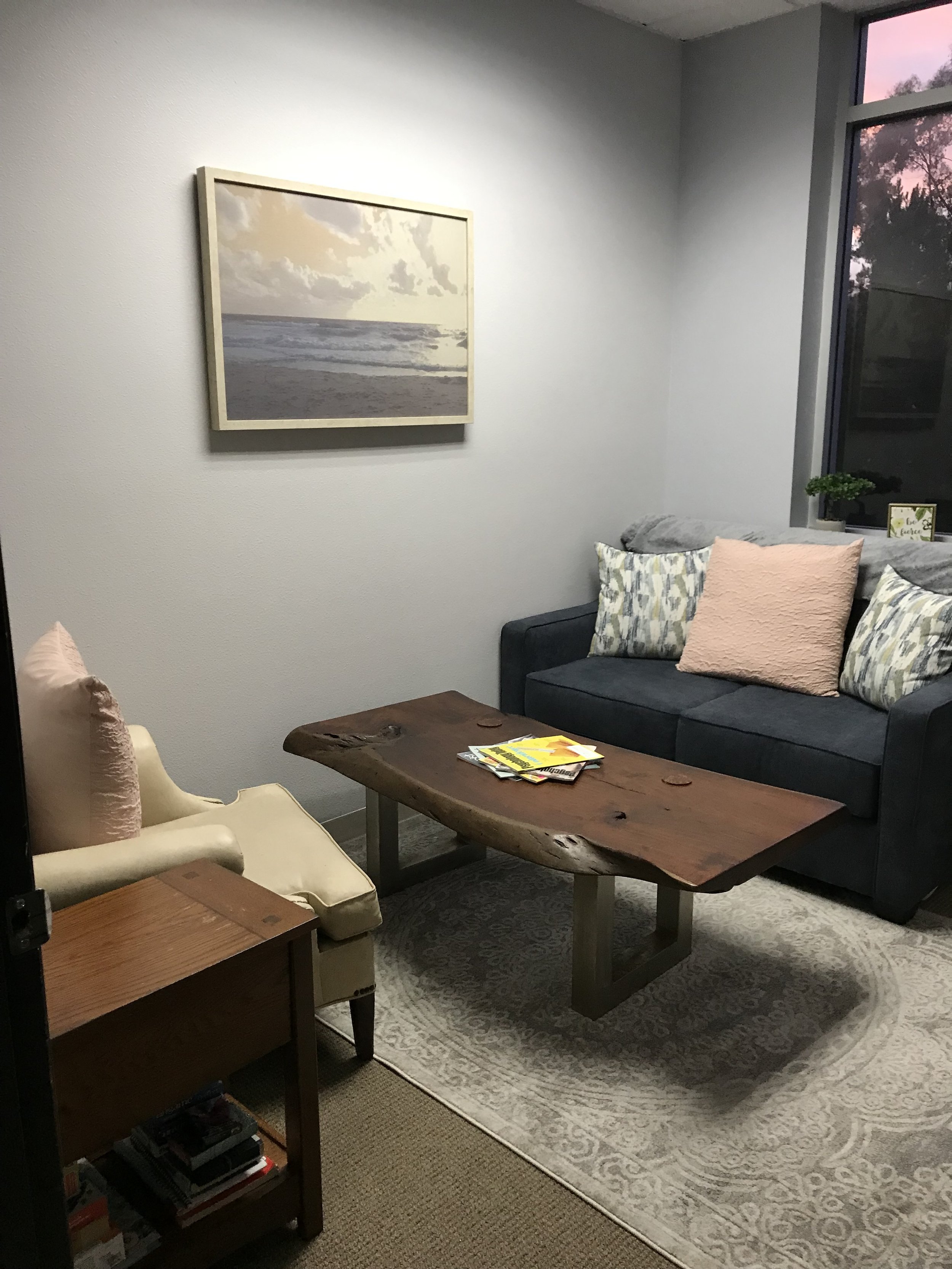
How to find a therapist in San Diego that’s the right fit for you.
If you’re looking for a therapist in Chula Vista, you’re not alone. Maybe something happened recently that threw you off your feet. Maybe you’ve been feeling overwhelmed for a long time, but you’ve managed to push through. Until now.
You’ve been thinking about starting therapy, but aren’t sure where to start. Perhaps you’ve done a few Google searches but you started to feel frozen with indecision. You may have thought to yourself, “how do I choose the right therapist for me when there are so many to choose from?” If you’re reading this, you’ve already taken a courageous first step toward your healing by acknowledging the need to reach out for professional support.
Searching for the right therapist can feel like a job in itself. With so many profiles, specialties, and styles out there, it’s hard to know where to begin—or how to choose someone who will actually help you feel seen, understood, and supported. How do you pick a therapist that’s right for you and where do you get started? Choosing the right therapist is a very personal decision as you are going to be sharing vulnerable information about yourself. Thus, it’s important that you feel comfortable with the therapist you find so you can make the most out of your therapy.
So, how does one find a therapist in San Diego that’s the right fit for their needs? This guide is here to help you slow down, get clear, and take the first step toward finding a therapist in Chula Vista who’s a good fit for you.
Why People in Chula Vista Start Therapy
People seek therapy for many reasons. Some feel weighed down by anxiety they can’t shake. Others are grieving a loss, wrestling with trauma, or feeling stuck in patterns they don’t know how to change. You might be showing up to your job, your family, and your friends—but privately, you feel numb, disconnected, or just plain tired.
In a place like Chula Vista, where life can move fast and community expectations can run high, it's easy to put on a brave face. But behind closed doors, so many people are carrying pain that deserves to be named and tended to.
Therapy offers a space that’s just for you—a place where you don’t have to explain everything or have it all figured out. You can show up exactly as you are.
Understanding Your Therapy Needs
The first step in finding a therapist in Chula Vista is understanding your own needs. Take some time to reflect on your specific goals, the struggles you’ve been facing, what you’re looking for in a therapist and the type of therapy you’re interested in.
Identify your goals for therapy
Start by identifying your therapy goals. What are the issues that you’ve been facing that you’re hoping to overcome? Identifying your needs will help define your search criteria for the right therapist. While there are many exceptional therapists, not all therapists focus on the same issues. Whether it’s overcoming a specific traumatic event, managing anxiety, grieving a loss, struggling in your relationships, or improving your overall well-being, having clear goals will help you find a therapist who aligns with your objectives.
Identify your therapist preferences
Consider your preferences for a therapist such as their gender, cultural or ethnic background, and other important aspects of their identity such as shared lived experiences. Are you interested in finding a therapist that shares the same faith background as you so you can have common ground? Feeling comfortable and safe with your therapist is essential for effective therapy.
Consider therapeutic approaches
Did you know that there are many ways a therapist can approach a particular issue? As mentioned above, not all therapists are cut from the same cloth. Each of us are unique and have our own style and theoretical orientation from which we conceptualize our care.
There’s no such thing as the “absolute best and perfect therapy model for X issue” out there. There are many options that have been shown to be effective, however, the key ingredients come down to you and your preferences and the strength of your relationship with your therapist.
Do you need marriage or family therapy? Were you looking for medication to treat your mental health symptoms? If you’re unsure about your preferences, do some research. Are you looking for a therapist that is direct and solution-focused? Or would you prefer someone that’s more person-centered and allows you the freedom to explore what’s coming up for you at each session and doesn’t rush your process? Maybe you’ve been told that EMDR (Eye Movement Desensitization and Reprocessing) is the best treatment for trauma. And you’re eager to see what it’s all about. Also, know that some therapists integrate techniques from multiple modalities.
As a trauma therapist, I’m trained in EMDR, however I also incorporate other trauma-focused interventions into the therapeutic process as I don’t believe in a one-size-fits all approach to therapy. I take a very tailored approach in my work with clients, assessing each individual’s needs and customizing their treatment accordingly. Additionally, I take a less directive and more person-centered approach to therapy, and tend to follow my client’s lead each session, while also stepping in to offer guidance and support when they feel stuck and aren’t sure what to focus on. Lastly, I am non-pathologizing in how I conceptualize client’s issues. What this means is that I’m less concerned with what’s wrong with you vs. what’s happened in your life that’s contributing to your current distress. Mental health diagnosis can be valuable as a starting point, but I’m not married to slapping a label on someone and sticking to a rigid treatment protocol. As humans we are more complex and dynamic than a cluster of symptoms written in a stuffy manual.
Narrow in on a location for therapy
Are you looking for in-person therapy in Chula Vista or do you prefer online counseling? Determining your location preferences will help you decide where to begin your search. If you prefer in-person therapy, then you will need to decide how far you’re willing to drive. Are you open to driving up to 10 miles? 25 miles? Only 5 miles? These are important factors to take into consideration.
Online therapy offers greater flexibility in terms of location and scheduling. If you’re open to seeing a therapist online, you can expand your search to your entire state (or there may be a therapist outside of your state who holds a license to practice therapy in the state where you currently reside). Therapists are only allowed to offer therapy in states where they hold a current and valid license.
I offer a combination of in-person therapy as well as online counseling for California residents. I see clients in person, 3 days a week (Monday, Tuesday and Thursday) at my therapy office in Chula Vista.
Decoding the Alphabet Soup of Mental Health Therapists
What’s the difference between an LMFT, psychologist, and a psychiatrist (to name a few)? What is the meaning of all those letters behind a therapist’s name? And do they matter? The letters help to identify the type of mental health clinician along with their credentials. Let me further explain the differences below to help streamline your search and deepen your understanding between the various options so you can make an informed decision.
Licensed Marriage & Family Therapist (LMFT)
LMFTs play a crucial role in counseling both individuals and families. With a master's level of education, they are highly qualified to address mental health concerns by examining interpersonal relationships. California’s Business and Professional Code emphasizes that LMFTs can “assess, evaluate, and treat a broad range of issues, including relational problems, emotional disorders, behavioral challenges, mental illness, and substance use.” (CA BPC 4980.02) Their unique qualification to work with both individuals and families allows LMFTs to provide comprehensive and holistic support in treating mental health concerns.
Licensed Professional Clinical Counselor (LPCC)
LPCCs primarily offer counseling to individuals but may have additional training in working with couples and families. Like LMFTs, they are master’s level clinicians and can address various mental health concerns. According to California’s Business and Professions Code, LPCCs provide “counseling interventions and psychotherapeutic techniques to identify and remediate cognitive, mental, and emotional issues, including personal growth, crisis intervention, and adjustment to disability.” (CA BPC 4999.20)
Licensed Clinical Social Worker (LCSW)
LCSWs are master’s level clinicians trained to address a wide range of social and mental health concerns. They work with individuals, families, couples, or communities helping them cope with mental health issues and societal problems. “The practice of clinical social work is defined as a service in which a special knowledge of social resources, human capabilities, and the part that unconscious motivation plays in determining behavior, is directed at helping people to achieve more adequate, satisfying, and productive social adjustments.” (CA BPC 4996.9)
Psychologist (PsyD or PhD)
Psychologists are doctoral-level clinicians with specialized training in psychological (aka “psychometric”) assessments. Following are examples of the various types of assessments that psychologists can administer: psychometric testing (including cognitive assessments), autism assessment and diagnosis, ADHD assessment and diagnosis, comprehensive mental health assessments for the purposes of court, disability, cosmetic surgery or surgical procedure assessment, separation certificate, university reports, personality assessments, and others. Psychologists work with individuals, couples, families, groups, or organizations, providing a deep understanding of psychological processes and behavior and are also capable of providing psychotherapy. Some psychologists only administer psychological assessments, while others provide both therapy and assessments.
Psychiatric Mental Health Nurse Practitioners (PHMHP)
PHMHPs earn a bachelor’s (BSN) in nursing, and then a master’s degree (at least) if not a PhD specializing in psychiatric mental health care. They are able to “assess, diagnose, and meet the needs of mental health clients.” PMHNPs are also able to provide therapy and prescribe psychiatric medication.
Psychiatrists (MD)
Psychiatrists are medical doctors specializing in the diagnosis and treatment of mental health conditions through medication. While some psychiatrists also provide counseling and therapy, their primary focus is on medication management. Psychiatrists bring a unique perspective by integrating medical and psychological approaches to mental health treatment.
What Makes a Therapist the “Right Fit”?
Finding the right therapist isn’t about picking the top name on a directory or choosing someone with a long list of credentials. It’s about connection. A good therapist is someone you feel safe with. Someone who respects your story and helps you move toward the healing you’re craving.
In Chula Vista, therapists offer a range of approaches—from evidence-based methods like CBT and EMDR, to faith-based counseling, somatic work, and trauma-informed care. The right fit for you might be someone who shares your values, understands your cultural background, or simply helps you feel grounded and heard.
If you’ve tried therapy before and it didn’t feel quite right, that doesn’t mean therapy isn’t for you. It just means you hadn’t found the right match yet.
Figuring Out Your Budget for Therapy
Making the investment in caring for your mental health is an invaluable endeavor. Go back to the beginning of this blog where I had you identify your goals for therapy. Think about how you’re currently feeling and how you hope to feel by the end of your therapy. I want you to really imagine yourself at the end of therapy, a new person, transformed, healed, even restored to your previous self prior to the issue that’s haunting you now. What does it feel like? What are you noticing? What’s different about you?
Now, ask yourself, what is my mental well-being worth? Answering this question will help you decide on your budget for therapy. I once heard it said that “$20 is too much money to spend” if you’re working with the wrong therapist. So, it’s important to keep your budget in mind, but not at the expense of your well-being. You may have to stretch your pocket-book just a little to work with the right therapist that is able to meet you just where you’re at and assist you in accomplishing your goals.
Beginning Your Search for a San Diego Therapist
Ask for referrals
The best way to look for a therapist in Chula Vista is to ask someone you already know.
Ask a friend or family member. Do you already know someone who has seen or is seeing a therapist? Have you heard good things about their therapist? If so, this is a great way to get started with a therapist who has already been personally vetted by someone you know.
Contact your faith community. Chances are, your faith leader may already have a list of local therapists that they consistently refer to and trust.
Request a referral from your healthcare provider. Your doctor, dentist, chiropractor or acupuncturist may have made connections with local therapists whom they’ve met in person or networked with that they can refer you to. If you’re planning on using your insurance for therapy, you may need a referral or prior authorization before commencing therapy, so it's a good idea to ask your primary care doctor for a recommendation.
***Be aware that insurance companies require therapy to be “medically necessary” which means that they will only pay for therapy if you meet criteria for a mental health diagnosis. If so, you are able to use your insurance, however, know that your diagnosis will permanently become part of your medical record.
Therapist Directories
There are several directory listings where you can find a therapist near you. Here are my top 5 picks for therapist directories:
Each of these sites offer advanced search options which allow you to look for a therapist that best matches your needs. Are you looking for someone who specializes in trauma or EMDR? You can select those options to narrow down your search. Would you like to find a therapist who shares your faith background such as Christian counseling? There’s an option for that as well. Additionally, you can search directories that are more niche specific:
Narrowing Down Your Options and Reviewing Therapist Profiles
Now that you’ve identified your goals for therapy, considered your preferences for the type of therapist you want to see along with their therapeutic approaches, honed in on a location, and figured out your budget, it’s time to narrow down your options. Create a list of therapists that you’re interested in reaching out to.
If you received a referral from a friend or pastor, look them up online and find out more about them. Read through any reviews that are available on their Google or Yelp listings to help you make your decision. If you’ve decided to narrow your search via a therapist directory take time to carefully review their profiles so you can gain a deeper understanding of their therapeutic approach, background and experience, and areas of expertise.
Once you’ve narrowed down your list, it’s time to contact those therapists to ensure a good fit. Most therapists offer free initial phone consultations to answer any questions you have about starting your therapy. Take advantage of this opportunity to discuss your goals, ask questions, and assess how comfortable you feel with the therapist. A brief consultation can provide valuable insight into the therapeutic relationships.
Questions to Ask When Looking for a Chula Vista Therapist
It’s okay to ask questions before committing to therapy. In fact, asking the right ones can help you find someone who’s truly aligned with your needs. Here are a few questions to consider during a phone consultation or first session:
What experience do you have working with people who’ve been through what I’m going through?
How would you describe your approach to therapy?
What can I expect from a typical session with you?
How do you support clients who are new to therapy or unsure about the process?
What’s your availability, and do you offer in-person or virtual sessions?
You don’t have to sound polished or know exactly what you need—this is a time for exploring and finding someone who makes you feel at ease.
What to Expect in Your First Few Sessions
Starting therapy can feel vulnerable. You might wonder, What if I cry? What if I don’t know what to say? What if I say too much?
The truth is, all of that is okay. Therapy is a space where you don’t have to perform. Your first few sessions are often about getting to know each other, understanding what brought you in, and slowly building a sense of safety. There’s no pressure to unpack everything all at once.
Good therapy moves at your pace, with care and collaboration. It’s not about fixing you—it’s about helping you reconnect with your own voice, strength, and clarity.
How I Help Clients in Chula Vista
As a local therapist, I work with people who are carrying grief, untended trauma, deep stress, or a sense that something just isn’t working anymore. Many of my clients are high-functioning on the outside but struggling to feel whole on the inside. They often say things like, “I don’t even know who I am anymore” or “I should be able to handle this, but I can’t.”
My approach is grounded, compassionate, and collaborative. Whether we’re integrating faith into the process, working with past trauma, or simply creating space for you to breathe and be real, I’m here to help you feel more like yourself again—without pressure or pretense.
Lastly, trust your instincts
Pay attention to your instincts during the consultation call. Trust is a crucial aspect to the therapeutic relationship, so if something doesn’t feel right, it’s okay to explore other options. Your comfort and trust in your therapist is paramount to the success of your time in therapy.
Searching for a therapist that’s the right fit for your needs is a courageous first step in your therapeutic journey toward healing and personal growth. By understanding your needs, conducting thorough research, and interviewing potential therapists, you are empowering yourself to make an informed decision. Remember that finding the right therapist in Chula Vista is a personalized process, and the right fit for you may not be the right fit for someone else. Trust your intuition, prioritize your well-being, and embrace the transformative power of therapy on your path to restoration.
I hope you found this blog post helpful as you begin your search for a therapist in the San Diego area!
You Deserve Support That Feels Like a Fit
You don’t have to keep carrying this alone. Therapy is not a last resort; it’s a powerful step toward clarity, connection, and healing.
If you’re ready to explore what therapy might look like for you, I invite you to schedule a free 15-minute consultation. Let’s see if we’re a good fit—or if not, I’ll help point you in the right direction.
About the Therapist
Christy Garcia is a Licensed Marriage and Family Therapist in Chula Vista, CA, specializing in grief counseling, trauma therapy, EMDR, and faith-based therapy. She offers in-person therapy at her office in Chula Vista as well as online counseling for California residents. She helps clients move from feeling stuck in survival mode to living with greater peace, clarity, and connection.
Frequently Asked Questions About Finding a Therapist in Chula Vista
1. How do I know if I really need therapy?
If you're asking this question, chances are something inside you is already looking for support. Therapy isn't just for crisis moments. It's a space for processing grief, navigating transitions, healing trauma, or simply reconnecting with yourself. You don’t have to wait until things get worse to reach out.
2. What should I expect in my first therapy session?
Your first session is mostly about getting to know each other. I’ll ask questions to better understand what’s bringing you in, and you’re welcome to ask questions too. There’s no pressure to share everything at once. The goal is to start building trust and creating a space where you feel safe to be yourself.
3. How do I find the right Chula Vista therapist for me?
Look for someone who feels like a good emotional and relational fit. That might mean someone who shares your values, understands your lived experiences, or simply helps you feel heard. It's okay to ask questions, trust your gut, and schedule a few consultations before making a decision.
4. Do you offer in-person or online therapy?
Yes, I offer both. Some people prefer the comfort of an in-person setting, while others appreciate the flexibility of online sessions. We can talk about what fits your lifestyle best during your free 15-minute consultation.
5. How long does therapy usually last?
The answer depends on what you're working through. Some people come for short-term support around a specific issue. Others choose to stay longer for deeper, ongoing healing. We’ll talk openly about your goals and check in often about how things are going.
6. What if I’ve tried therapy before and it didn’t help?
That’s more common than you might think. A mismatch with a previous therapist doesn’t mean therapy can’t work for you—it might just mean you hadn’t found the right approach or connection yet. I’d be glad to help you explore what didn’t work last time and try something different.
7. Is therapy confidential?
Yes. Everything you share in therapy is confidential, with a few legal exceptions related to safety. I’ll go over those clearly before we begin so you know what to expect and can feel comfortable sharing openly.
8. How do I get started?
The easiest first step is to schedule a free 15-minute phone consultation. It’s low-pressure, judgment-free, and gives you a chance to see if working together feels like the right fit. Click here to schedule yours.